

-

Xcluder Shield - Rodent-proof Patch for Holes and Openings
$69.10 - $620.20 -
-

-

-

-

-

-

-

-

-

-
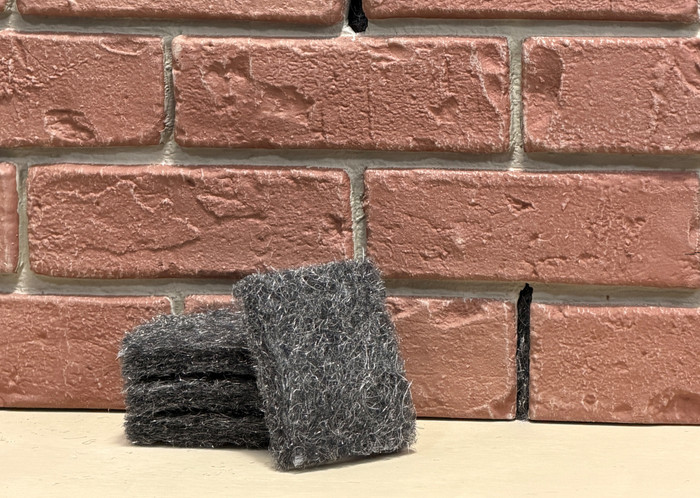
Xcluder Weep Fill
$39.70 - $198.45
Rodent Exclusion Products for Hospitals
A small opening goes unnoticed along the frame of an automatic sliding door. A pipe gets replaced, leaving a new gap. A door sweep wears down until you can see daylight underneath. In a busy healthcare facility, it can be easy for a mouse to find a way inside.
Once inside, mice and rats can contaminate surfaces and supplies, damage wiring, and create problems for patients and staff. Effective hospital pest control must include proper exclusion, keeping rodents out by identifying and sealing the gaps they use to get inside in the first place.
Xcluder’s proven rodent exclusion products create a physical barrier against mice and rats without using poisons or pesticides. They work alongside routine inspection, sanitation, and monitoring as part of an Integrated Pest Management (IPM) program.
Pest Prevention Products for Healthcare Facilities
Different gaps can require different solutions. Here’s what to use in the places where rodents are most likely to get in.
Rodent-Proof Escutcheon Plates for Pipe Penetrations
Look under sinks in patient rooms, exam rooms, labs, mechanical rooms, and kitchens. A standard plastic escutcheon plate may cover the opening around a pipe, but a hungry rodent can easily chew through plastic. Xcluder rodent-proof escutcheon plates provide a chew-proof barrier at those openings.
Rodent-Proof Fill Fabric for Utility Penetrations
Gaps around conduit, HVAC lines, and other utilities are rarely neat or uniform. Xcluder Fill Fabric packs into irregular openings, making the opening impenetrable to rodents. And unlike ordinary steel wool, its stainless steel blend will never rust.
Rodent-Proof Door Sweeps for Staff and Service Entrances
If you can see daylight under a closed staff, service, or maintenance door, that’s an open door for a rodent. Xcluder rodent-proof door sweeps close the gap with a chew-proof barrier that is guaranteed to keep mice and rats out.
Rodent-Proof Seals for Automatic Sliding Doors
Automatic sliding doors at main entrances, emergency departments, and outpatient lobbies see a lot of traffic. Check for gaps when the doors are fully closed, including around the fixed side panels. Even if you don’t see a gap, a hungry rodent can chew through a standard seal and create their own opening. Xcluder offers rodent-proof automatic sliding door seals, including a kit for doors with fixed sidelites or full break-out panels.
Shop Automatic Sliding Door Seals
Commercial Garage, Dock, and Overhead Door Seals
Receiving docks take a beating from daily deliveries, linen carts, and waste handling. Check the bottom, sides, and top of overhead doors, then look around the dock leveler itself. Xcluder offers commercial rodent-proof garage door seals, dock leveler seals, and a vertical side and top seal kit. There’s even a rodent-proof PestPlug seal for the dock leveler pull chain hole.
Shop Commercial Garage & Dock Door Seals
Frye Inspection Tool for Routine Walkthroughs
Some gaps are easy to spot. Others are tucked behind a pipe, under equipment, or along the edge of a door. The Frye Inspection Tool helps maintenance teams and pest control professionals find and more easily document openings rodents might use to get inside.
Common Rodent Entry Points in Healthcare Facilities
Include these areas in your regular pest control walkthroughs. And be sure to do a walkthrough after construction or any utility work, when new openings can show up in areas you’ve already sealed.
- Receiving and loading docks. Check overhead door edges, dock leveler gaps, and pull chain openings.
- Kitchens and cafeterias. Look around plumbing and utility lines, especially under sinks and equipment. Check for gaps along baseboards, where walls meet the floor, and in corners where walls meet. Inspect door sweeps for gaps and wear, and make sure they’re made of rodent-proof material. Even an intact standard sweep can be chewed through.
- Mechanical rooms and utility chases. Check where conduit, HVAC lines, and other utilities pass through walls or floors.
- Patient rooms, exam rooms, and labs. Look under sinks for loose escutcheon plates or exposed gaps around pipes.
- Linen and waste handling areas. Inspect exterior doors and nearby utility openings.
- Staff and service entrances. Look for worn sweeps, gaps between double doors, and daylight under closed doors.
- Renovation and construction areas. Check for openings left by removed equipment, rerouted utilities, or unfinished work.
- All exterior doors. Check for gaps beneath and around each door when it’s fully closed, including where double doors meet. On automatic sliding doors, check where the sliding panels meet and where they overlap the fixed side panels. Look for worn, loose, or missing seals, and make sure all door sweeps and seals are rodent-proof.
See more common rodent entry points
Shop Xcluder Rodent Exclusion Products for Healthcare Facilities
Keep rodents out of your facility by sealing the openings they use to get inside. Xcluder gives your team a range of proven, rodent-proof solutions to help stop a rodent problem before it starts.
Shop Commercial Rodent Exclusion Products
For areas where food is prepared or handled, explore our restaurant pest exclusion products and food processing facility solutions.
Healthcare Facility Pest Control FAQs
What’s the best way to prevent rodents in hospitals and healthcare facilities?
A comprehensive Integrated Pest Management (IPM) program should be in place, very often in partnership with pest management professionals. Rodent exclusion is a key part of any IPM program, along with routine inspections, sanitation, and monitoring. Xcluder products help seal the openings mice and rats use to get inside, creating a physical barrier without poisons or pesticides.
Why are rodents attracted to healthcare facilities?
Food, warmth, and shelter are always a draw to rodents. Healthcare facilities can provide all three.
Can rodent exclusion products be used in hospitals and healthcare facilities?
Yes. Xcluder products block rodent entry without using poisons or pesticides. Choose a product suited to the opening and follow the manufacturer and your facility’s installation requirements.
What areas of a healthcare facility should be sealed to prevent rodents?
A mouse can squeeze through an opening the width of a pencil. All openings that size or larger should be sealed. Start with gaps under doors, around dock levelers, and where pipes and utility lines pass through walls or floors. Give recently renovated areas a separate walkthrough so you can catch openings left by the work.
How does rodent exclusion support a hospital pest control program?
Exclusion closes the routes rodents use to get inside. If mice keep showing up in the same area, look for a nearby entry point as part of your investigation. Sealing it can help prevent repeat activity.
Products Selected
Compare