

Warehouse Rodent Exclusion Guide: How to Keep Mice and Rats Out
Oct 27th 2026
A worn seal under a loading dock door. A gap around a utility line. An opening along the side of a dock leveler. In a busy warehouse, these are easy to overlook. For a mouse or rat, they are a way inside.
Every unsealed gap is a potential entry point. Finding and closing those gaps protects inventory, reduces contamination risks, and helps to prevent rodent problems before they start.
From loading docks to utility penetrations, this guide covers common rodent entry points and proven ways to seal them against mice and rats.
Why Rodent Exclusion Is Important for Warehouses
Warehouses have a lot of moving parts, including the doors and loading equipment that keep products and people flowing. Frequent use, equipment impacts, and everyday wear can create unintended openings to the outside. Utility work and building repairs can create new openings, too.
Inside, stored goods and packaging can offer rodents shelter and nesting materials. Food products, spills, and accessible waste can provide food. Rodents can contaminate inventory with droppings and urine, chew wiring causing a fire hazard, and generally create problems that require cleanup, repairs, or interruptions to work.
Rodent exclusion helps prevent rodent entry by sealing vulnerable openings rodents use to get inside. A key part of an Integrated Pest Management (IPM) program, exclusion works alongside sanitation, monitoring, and professional pest management.
Learn how commercial building pest exclusion helps protect facilities from rodents.
Common Signs of Rodent Activity in Warehouses
You may see evidence of rodents well before you see the rodents themselves. During routine walkthroughs, watch for:
- Droppings: Along walls, near doors, behind stored materials, or around food and waste areas.
- Gnaw marks and damaged packaging: Chewed cartons, bags, insulation, or other materials.
- Nesting materials: Shredded paper, cardboard, or insulation collected in sheltered areas.
- Grease or rub marks: Dark marks along walls or around openings where rodents repeatedly travel.
- Scratching noises: Sounds coming from walls, ceilings, or concealed spaces.
- Rodent sightings: Live or dead mice and rats inside or near the building.
Document what you find and where you find it. That information can help your maintenance team and pest management professional focus their inspection.
Exclusion helps prevent entry, but it doesn’t eliminate rodents already inside. If you find signs of activity, work with a pest management professional to address the existing problem and coordinate exclusion repairs.
How to Rodent-Proof a Warehouse
Warehouse rodent prevention starts with a thorough inspection. Mice can squeeze through an opening just ¼ inch wide, about the width of a pencil. Rats can enter through a ½-inch opening, roughly the width of a typical permanent marker. Small gaps are easy to overlook, but they can give rodents a way inside. The Frye Inspection Tool can help you quickly assess whether or not an opening is a potential entrance point.
The right repair depends on the opening. A moving dock leveler needs a different solution than a gap around a stationary pipe. Choose proven exclusion products suited to the application, and follow their installation instructions.
Inspect Your Warehouse for Rodent Entry Points
Inspect both the interior and exterior of the building. Start with loading docks and exterior doors, then work around the foundation, walls, utility penetrations, and vents. Include roofline openings in the inspection, using qualified personnel where access requires it.
Look for daylight around closed doors, torn or missing seals, cracks, loose covers, and gaps around pipes or cables. Pay particular attention to areas near signs of rodent activity and places where recent work has disturbed the building exterior.
Photograph and record each opening, including its location, approximate size, and condition. Assign repairs and track them through completion. Reviewing commercial rodent exclusion solutions can help you match identified gaps with appropriate products.
Seal Loading Docks and Dock Levelers
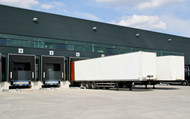
Loading docks deserve close attention because there are several potential entry points within a relatively small area. Inspect the sides of warehouse dock levelers, rear hinges, pull-chain openings, and gaps around loading bay doors.
A closed dock door doesn’t necessarily mean the entire dock opening is sealed. Rodents may still find a route around the leveler or along the door perimeter.
Purpose-built dock leveler seals help close vulnerable gaps while accommodating normal equipment movement. Select products that fit the leveler’s design and dimensions, and follow all installation directions. Have trained personnel inspect and service this equipment using the facility’s safety procedures.
Warehouse dock door seals and dock leveler seals protect different parts of the opening. Check both when evaluating a dock position.
Protect Overhead and Personnel Doors
Inspect overhead doors while they’re fully closed. Look along the bottom, sides, and top for gaps, damaged weatherstripping, and seals that no longer make consistent contact. Uneven floors or door alignment problems may also need correction to achieve a proper fit.
For personnel doors, check the sweep, threshold, frame, and lower corners. A sweep that’s torn, worn, or poorly fitted can leave room for rodents to enter. And even a properly installed standard door sweep can be vulnerable to gnawing, which is why choosing a rodent-proof sweep matters.
Rodent-proof warehouse door seals and door sweeps provide protection at these vulnerable points. Xcluder’s commercial garage door seals include options for overhead door applications. And an added bonus: Properly fitted rodent-proof seals can also help reduce drafts, dust, and debris.
Seal Utility Penetrations and Structural Gaps
Pipes, electrical conduits, and utility lines often pass through openings larger than the lines themselves. The remaining space can give rodents access through a wall or foundation. Inspect these penetrations, along with cracks and other structural gaps.
Xcluder Fill Fabric is designed to create a gnaw-proof physical barrier, protecting gaps, cracks and holes rodents can use to get inside. Standard foam or caulk alone shouldn’t be relied on as a rodent barrier because rodents can chew through these materials.
For pipe penetrations, rodent-proof escutcheon plates offer another way to protect the opening around the pipe. A decorative cover alone may leave gaps or lack the durability needed for exclusion.
Secure Vents and Roofline Openings
Rodent inspections shouldn’t stop at ground level. Unsecured vents, damaged soffits, and gaps around rooftop equipment or utility penetrations can also provide access. Use durable, rodent-proof screening or other appropriate physical barriers where suitable. Ventilation and equipment requirements still apply. Repairs must preserve required airflow, drainage, and access for service. Have the appropriate building or equipment professional evaluate openings where a barrier could affect operation.
Warehouse Rodent Exclusion Inspection Checklist
Use this checklist as a starting point for routine inspections. Every warehouse has different equipment, building conditions, and vulnerabilities, so adapt it to your facility.
- Inspect dock leveler sides, rear hinges, and pull-chain openings for accessible gaps.
- Check closed loading bay and overhead doors for daylight, damaged seals, and gaps at the corners.
- Inspect personnel door sweeps, thresholds, and frames for wear and proper fit.
- Check exterior walls and foundations for cracks, holes, and damaged previous repairs.
- Inspect openings around pipes, cables, conduits, and other utility lines.
- Check vents, soffits, and roofline penetrations for loose, damaged, or missing barriers.
- Look for droppings, gnaw marks, damaged packaging, nesting materials, and other signs of activity.
- Document vulnerable openings with photos, locations, and assigned repair responsibilities.
- Replace damaged exclusion materials and verify that repaired doors and equipment operate properly.
- Schedule follow-up inspections and recheck areas affected by repairs, installations, or equipment damage.
Frequently Asked Questions About Warehouse Rodent Exclusion
What is the best way to prevent rodents from entering a warehouse?
Start with a thorough inspection, seal vulnerable openings with proven materials designed for rodent exclusion, and maintain those barriers. Combine exclusion with sanitation, monitoring, and a pest management program suited to the facility.
How small of an opening can mice and rats enter through?
Mice can pass through an opening just ¼ inch wide, about the width of a pencil. Rats can enter through a ½-inch opening, roughly the width of a typical permanent marker.
How do you rodent-proof warehouse loading docks?
Inspect the entire dock position, including the leveler sides, rear hinges, pull-chain openings, and door perimeter. Use appropriately fitted rodent-proof dock leveler seals and rodent-proof door seals to address the openings you find. Recheck the seals regularly due to frequent use.
What materials help prevent rodents from chewing through warehouse entry points?
Standard foam or caulk alone can easily be chewed through. Choose proven products specifically developed for rodent exclusion, such as rodent-proof fill fabric, rodent-proof door seals, and rodent-proof metal plates or screening suited to the opening. Material selection and proper installation both matter.
How often should warehouses be inspected for rodent entry points?
Set a routine schedule based on the facility’s condition, equipment use, pest history, and pest management professional’s recommendations. Add inspections after building repairs, utility installations or equipment changes. Investigate new signs of rodent activity promptly.
Protect Your Warehouse With Xcluder Rodent Exclusion Solutions
Keeping rodents out requires ongoing diligence. Start with an inspection, address the gaps you find, and make exclusion checks part of regular facility maintenance.
Xcluder offers solutions for common warehouse entry points including dock levelers, overhead and personnel doors, and gaps around utility penetrations. Explore our commercial rodent exclusion solutions to find products suited to your facility, or learn more about Xcluder and our approach to pest exclusion.