

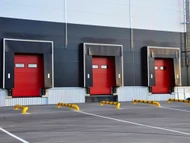
Commercial Garage Door Weather Stripping: Protecting Buildings from Rodents, Pests & Air Leaks
Aug 13th 2026
Commercial garage doors create one of the largest openings in a building. And even when the door is closed, gaps around the bottom, sides and top can leave the building vulnerable to drafts, moisture, dust, debris and pests.
Good commercial garage door weather stripping helps close those gaps and protect the building envelope. But there's an important catch: not all weather stripping is designed to also stop rodents.
Standard rubber or vinyl weather stripping may do a perfectly good job of blocking drafts and rain. A mouse or rat, however, can chew through those materials. In facilities where pest pressure is a concern, weather stripping needs to stand up to the elements and to gnawing.
That's why the right commercial garage door seal should be considered both part of a facility's overall rodent exclusion strategy AND an energy-efficiency upgrade.
What Is Commercial Garage Door Weather Stripping?
Commercial garage door weather stripping is the material installed around the perimeter of an overhead or garage door to close the space between the door and the building.
Depending on the door, that can include a bottom seal beneath the door along with seals running up both sides and across the top.
Together, these components create a more complete barrier around one of the largest openings in the building. Properly installed commercial door weather stripping can:
- Reduce air leaks and drafts
- Limit moisture intrusion
- Keep out dust and debris
- Improve temperature control
For facilities concerned about rodents, though, there's one more requirement. The material needs to prevent chewing.
A seal can look fine from across the loading dock and still provide very little rodent protection if a mouse or rat can gnaw through it. That's why commercial facilities should look specifically for weather stripping made for rodent exclusion rather than assuming any heavy-duty weather seal will do the job.
Vulnerable Areas Around Commercial Garage Doors
Improper or worn weather stripping can cause trouble even before a pest gets through them. They can allow conditioned air to escape, create uncomfortable drafts, let rain or moisture enter and contribute to dust and debris inside the facility.
And of course, they can be an open invitation to rodents.
Small gaps around the perimeter can be enough, and overhead doors naturally have several areas worth watching. The space beneath the door is usually the most obvious, but facility teams should also inspect both vertical edges and the area across the top of the door.
Regularly checking for common rodent entry points around garage doors and elsewhere in the building is an important part of physical pest exclusion and Integrated Pest Management.
Rather than continually reacting to rodents after they get inside, exclusion focuses on removing the openings they use to enter in the first place.
Types of Commercial Garage Door Weather Stripping
A properly sealed commercial garage door needs protection around the entire perimeter.
Bottom Seals
The bottom of a commercial garage door is one of the most vulnerable areas.
A commercial garage door bottom seal closes the space between the bottom edge of the door and the floor. The seal reduces drafts, dust, moisture and debris entering beneath the door. And if the seal is rodent-proof, it will keep mice and rats from chewing through, too.
One thing to keep in mind though, is the condition of the floor under the seal matters.
Commercial floors aren't always perfectly level. Settling, wear and other conditions can leave irregular gaps beneath a closed door. A standard bottom seal may make contact in one area while leaving another area exposed.
In those situations, a product designed specifically to accommodate an uneven floor may be needed. The Xcluder Adjustable X2 Overhead Seal Kit is one option designed to help seal and protect these difficult areas.
Side Seals
The vertical edges of a commercial garage door can be easy to overlook.
Side seals close the space between the door and the frame, helping reduce air leakage while providing protection from wind, rain and outside debris.
For rodent exclusion, the same rule applies here that applies at the bottom of the door. A weather-resistant material isn't automatically a rodent-resistant material. If pest prevention is part of the goal, the side seal needs to be able to withstand chewing and gnawing. Products like the Xcluder Commercial Garage and Dock Door Vertical Side and Top Seal Kit will protect against rodents AND the weather.
Top Overhead Seals
The opening across the top requires attention as well.
A commercial overhead door seal like the one found in the Xcluder Commercial Garage and Dock Door Vertical Side and Top Seal Kit helps close the gap between the top of the door and the building. That can help prevent moisture and debris from getting inside while reducing air movement around the door.
It also removes another potential opening for rodents.
Sealing the bottom without addressing the top and sides can leave a facility with a partially protected door. For the best results, think perimeter, not just bottom seal.
Installing Commercial Garage Door Weather Stripping
Before replacing weather stripping, inspect the entire door perimeter with the door fully closed.
Look for obvious gaps, but don't stop there. Check for areas where the existing material is compressed, torn, missing or no longer making consistent contact with the door or floor.
It can also help to look at the door from inside the building during daylight hours. If daylight is visible around the perimeter, you have a gap that will let rodents and the weather inside.
When installing new weather stripping:
- Address the whole opening. Address the bottom, both sides and the top rather than replacing one damaged section and assuming the job is finished.
- Match the seal to the condition of the door and floor. Uneven floors may require a different solution than a standard level opening.
- Choose material based on the problem you're trying to solve. Commercial buildings need to keep both the weather and pests out. So it's important to use a seal specifically designed to keep both out.
- Follow the product's installation instructions or have the seal professionally installed. The seal needs to be installed correctly to be fully effective.
- Inspect the finished perimeter. Close the door and check again for any visible gaps or daylight.
Signs Your Commercial Garage Door Weather Stripping Needs Replacement
Weather stripping takes a beating.
Commercial doors move frequently, and their seals are exposed to changing temperatures, moisture, dirt and repeated compression. Eventually, even quality weather stripping will need attention.
A few warning signs are easy to spot:
- Visible gaps around the door
- Cracked, torn or worn weather stripping
- Daylight showing around the perimeter
- Increased drafts near the door
- More dust or debris entering the facility
- Evidence of rodent activity
Don't wait until a seal completely fails.
A small damaged section can undermine the protection provided by the rest of the perimeter. Routine inspection gives facility teams a chance to find those weak points before they turn into larger maintenance or pest problems.
How to Choose the Right Commercial Garage Door Weather Stripping
Commercial environments are hard on weather stripping. Doors may cycle frequently, endure temperature swings and face constant exposure to dirt, moisture and physical wear.
Look at the full picture:
Material quality. The seal should be made for commercial use and the conditions where it will be installed.
Durability. Frequent door operation can wear down lightweight materials quickly.
Weather resistance. The seal should continue performing through the temperature and environmental conditions the building experiences.
Door compatibility. Make sure the product is appropriate for the type and size of commercial overhead door being sealed.
Rodent resistance. Commercial buildings need to stay pest free, so this one is critical. Look for weather stripping specifically designed to prevent chewing and gnawing.
Most weather stripping can help stop air, water or debris. That doesn't mean it will stop a determined rodent.
Rodent-proof commercial garage door seals add another layer of protection by combining weather sealing with chew resistance. The result is a seal that helps protect the building from both environmental conditions and pest entry.
Maintaining Commercial Garage Door Seals
Once proper weather stripping is installed, it needs to be added to the facility's routine inspection schedule.
You're looking for anything that could break the continuous seal around the door. That includes tears, sections pulling away from the mounting surface, excessive wear or areas that no longer make contact when the door closes.
Pay particular attention to high-use doors and any location where rodent activity has been found in the past.
It's also worth inspecting the seals after damage to the door or changes to the floor. If a door becomes misaligned or the surface beneath it changes, a seal that once fit properly may no longer close the entire gap.
The goal isn't complicated: keep a continuous barrier around the opening.
Protect Your Commercial Facility with Xcluder
For facilities facing rodent pressure, the right sealing system is an important part of a broader rodent exclusion and Integrated Pest Management program.
Xcluder® Commercial Garage Door Seals are designed for commercial environments where both weather protection and pest protection matter. Stainless steel reinforcement creates a durable, chew-resistant barrier while the seal helps close openings against drafts, moisture, dust and debris.
That gives facilities several benefits from the same perimeter sealing system:
- Helps prevent rodents and pests from entering
- Reduces air leaks and drafts
- Helps protect against moisture, dust and debris
- Provides long-lasting, chew-resistant durability
- Supports better overall building performance
Rodents will take advantage of weak spots. A complete perimeter seal helps remove those opportunities while supporting energy efficiency and protecting the building over the long term.
FAQs
How long does commercial garage door weather stripping typically last?
There isn't one set lifespan for every commercial garage door seal. How long it lasts depends on the material, how frequently the door is used, environmental conditions and how well the seal is maintained.
Regular inspections are the best way to know when replacement is needed. Look for cracking, tearing, compression, visible gaps and other signs that the seal is no longer maintaining consistent contact.
And remember, longevity isn't the only consideration. Standard weather stripping may remain intact against weather while still being vulnerable to rodent chewing. If rodent exclusion is important, choose a seal specifically built to resist gnawing.
Can commercial garage door weather stripping reduce heating and cooling costs?
Yes.
Gaps around commercial garage doors allow heated or cooled air to escape while outside air enters the building. Closing those gaps reduces uncontrolled air leakage and helps the building maintain more consistent indoor temperatures.
Weather stripping is only one part of overall building energy performance, of course, but properly sealing a large and frequently used opening like an overhead door can eliminate an obvious source of drafts and air loss.
What should I look for in a commercial-grade garage door seal?
A commercial-grade garage door seal should do two things well: protect the building from the elements and help keep rodents and pests out.
Look for a durable, weather-resistant seal that's compatible with the door and designed to stand up to the demands of a commercial environment. Just as importantly, the material should prevent rodent chewing and gnawing. Standard rubber or vinyl seals may keep out drafts, rain and debris, but if rodents can chew through them, the perimeter isn't fully protected.